When did you last see your child truly bored?
Not reaching for a phone. Not asking for a tablet. Just... sitting with their own thoughts. If you're struggling to remember — you're not alone, and you're not a bad parent. But something has changed.
You've seen this
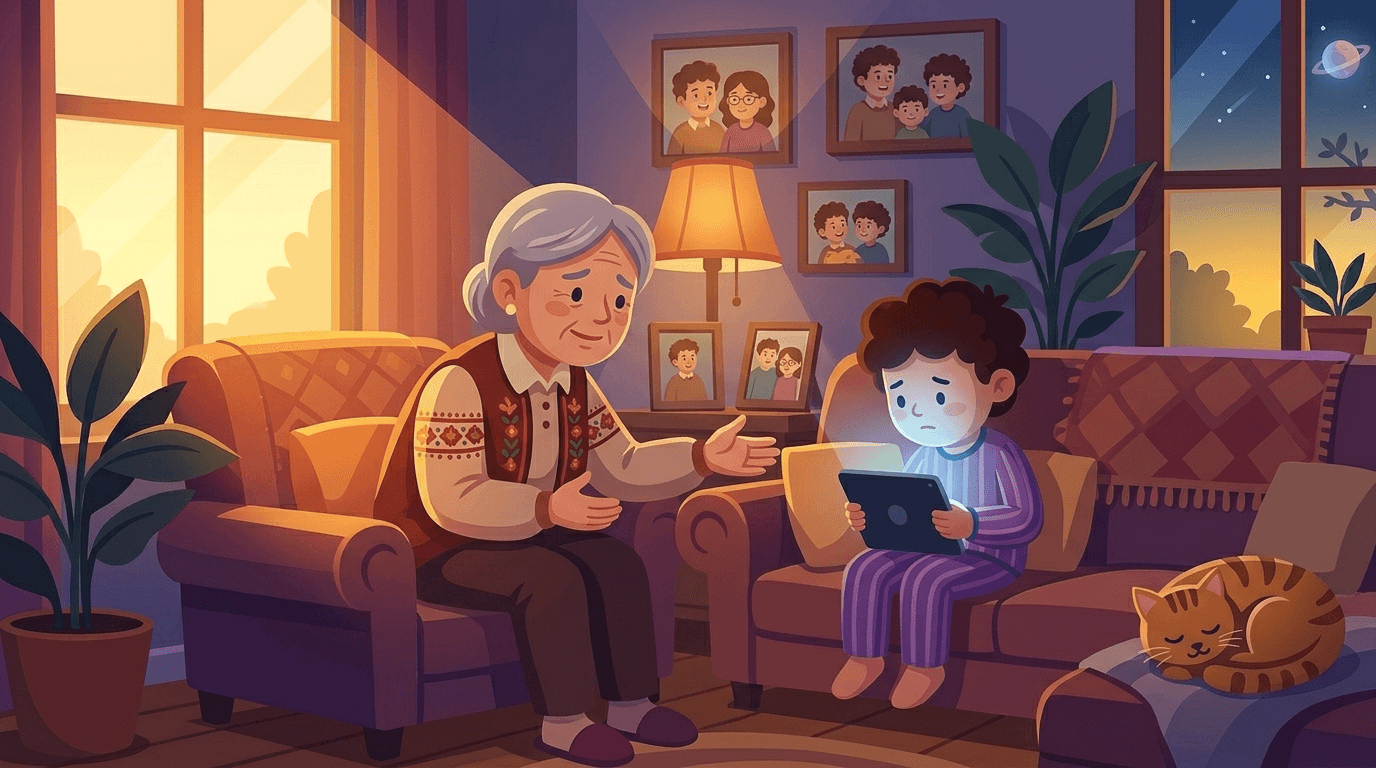
Does this day look familiar?
This day belongs to millions of families. Not because they're doing something wrong — but because the world changed faster than any of us expected.
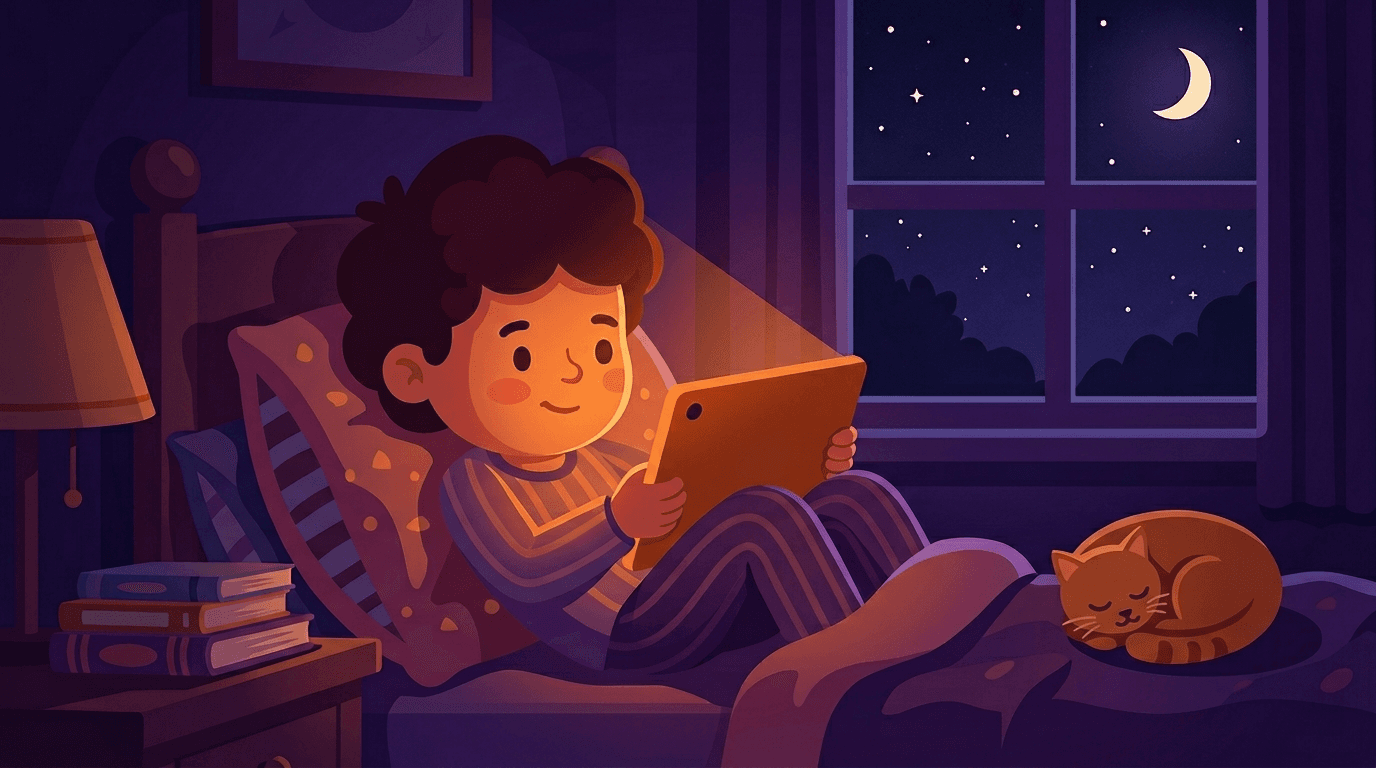
The phone is already in hand before feet touch the floor.
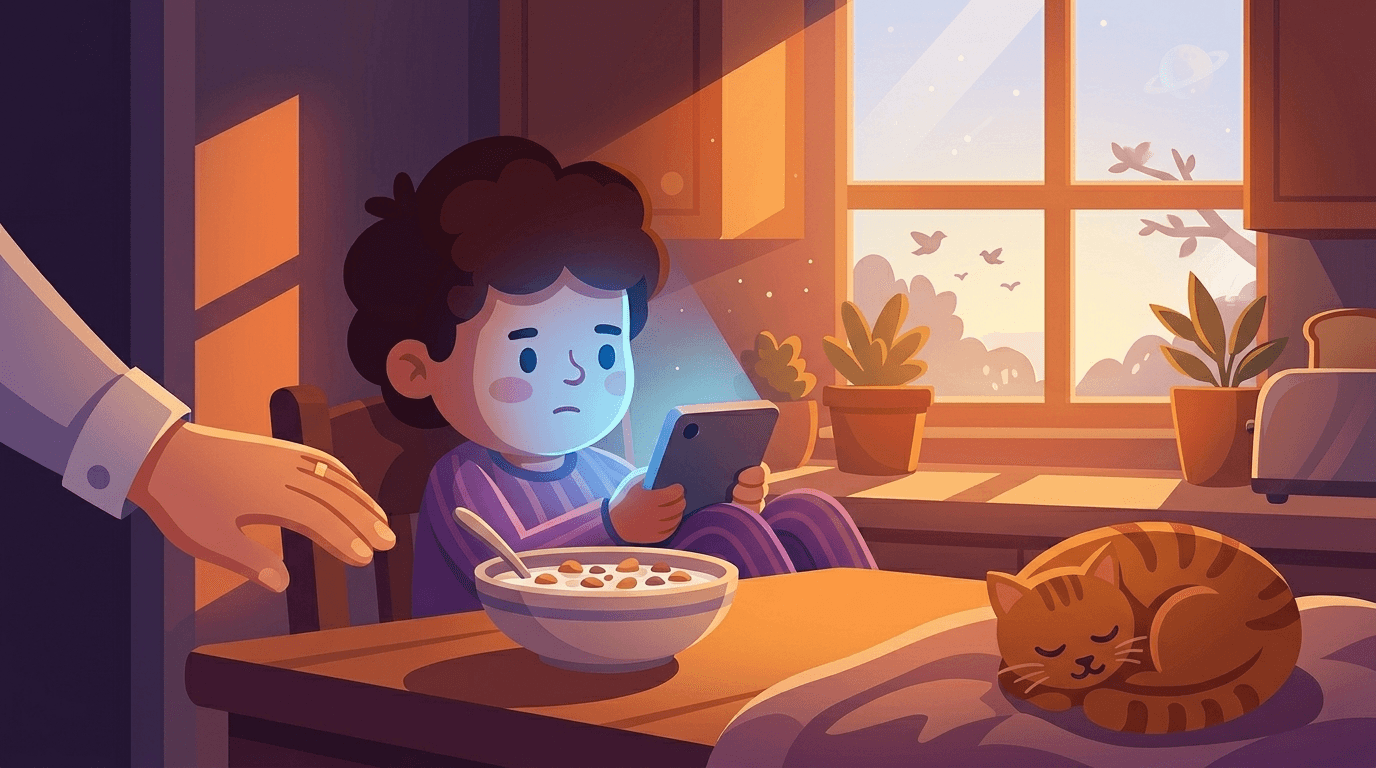
Food goes cold. Eyes fixed on a screen by the cereal box.
The device is found before the child is even sitting down.
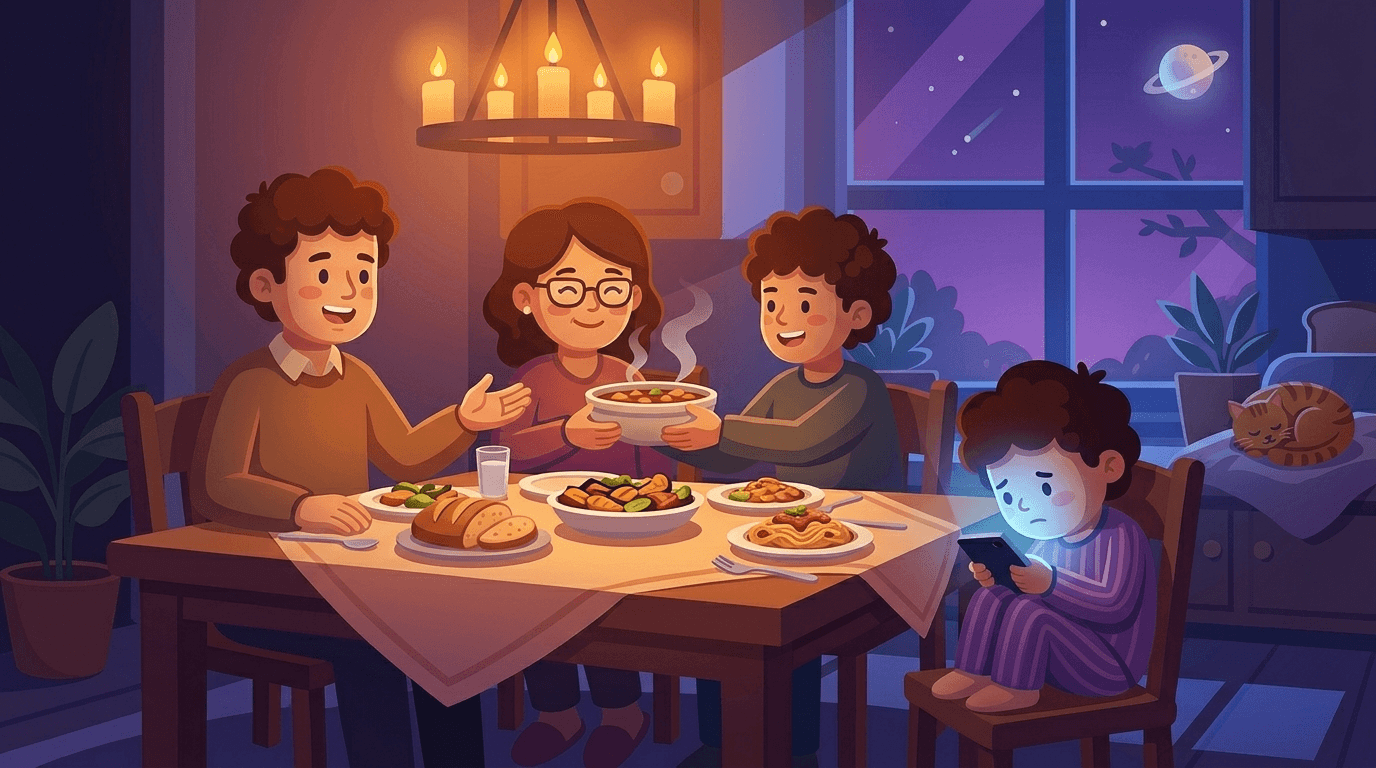
Physically present. Mentally somewhere else.
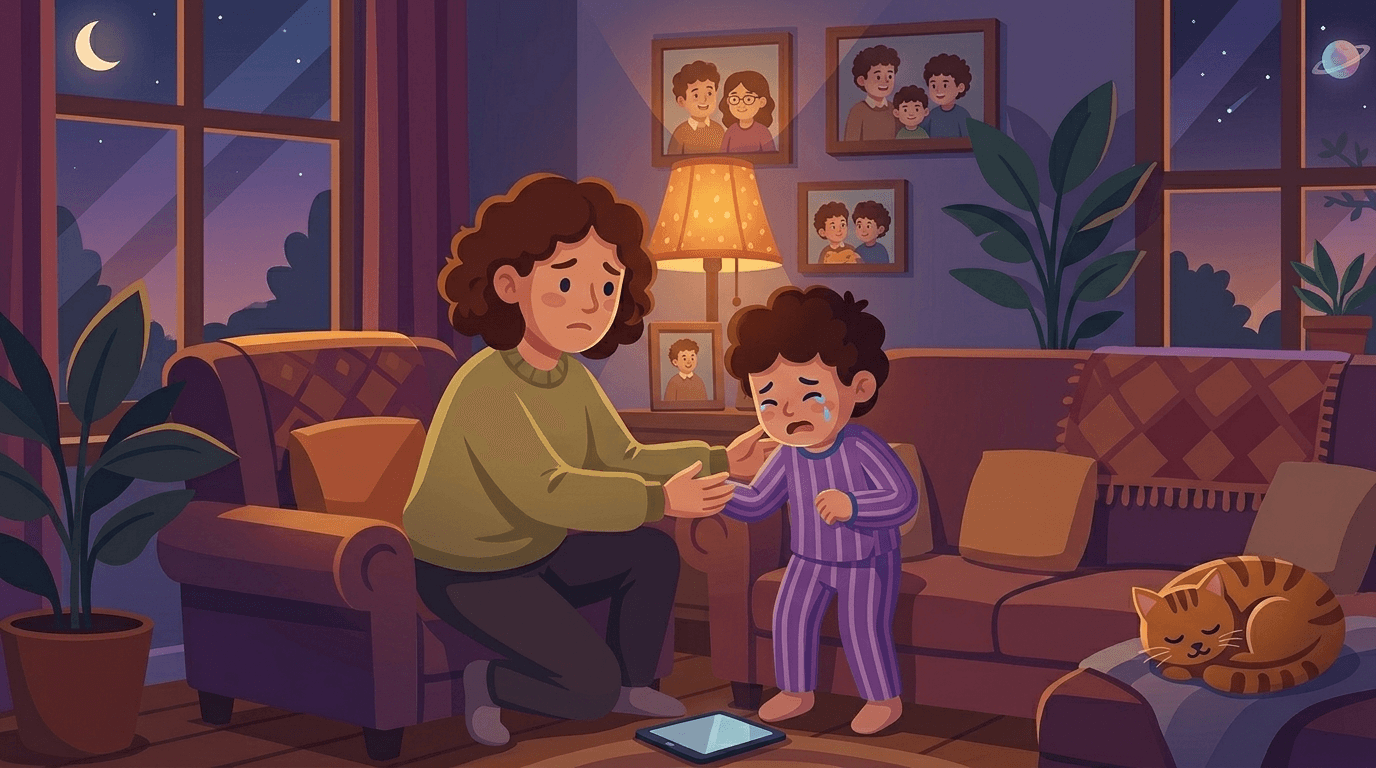
Meltdown. Bargaining. Tears. Just from turning off a screen.
The device is in the bedroom. Sleep comes late, if at all.
If any of this felt familiar, keep reading. Understanding why this happens is the first step to changing it.
The Science
Your child is up against billion-dollar engineering
YouTube Shorts. TikTok. Roblox. These products were not designed by accident. They were designed by the world's best behavioural scientists with one singular goal: keep your child watching for as long as possible.
What a child's brain is wired for
- Stories with beginnings, middles, and ends
- Building things slowly
- Boredom as a gateway to creativity
- Real-world cause and effect
- Human connection
What Shorts and Reels deliver
- Infinite content, no endings
- Instant reward, no building
- Boredom eliminated entirely
- Frictionless dopamine
- Engineered to outcompete real life
ADULTS
The prefrontal cortex — the brain's centre for impulse control and self-regulation — is not fully mature until around the age of 25.
CHILDREN AGED 8–12
The prefrontal cortex is still years from maturity, and the self-control it supports is still developing.
Understanding the mechanism doesn't make it less urgent. It makes it more clear why intentional parenting matters so much.
By the numbers
It's not just your family. It's happening everywhere.
Peer-reviewed research. Government health bodies. Studies tracking hundreds of thousands of children.
0 hours
Average daily entertainment screen time, children aged 8–12 in the US
Common Sense Media Tweens and Teens Census, 2021
0%
Of US teen girls reported persistent sadness or hopelessness in 2021 — the highest rate recorded in a decade
CDC Youth Risk Behaviour Survey, 2021
#1
Screen addiction and device overuse ranked as the top health concern for children among US parents — above obesity, bullying, and depression
Mott Children's Hospital National Poll / Ipsos, 2023
$0M
Fine issued to YouTube by the FTC in 2019 for illegally collecting personal data from children without parental consent — the largest COPPA violation ever recorded
Federal Trade Commission, 2019
1 in 0
Tweens aged 8–12 report more than 8 hours of daily screen use, displacing sleep, physical activity, and real-world social development
Common Sense Media Tweens and Teens Census, 2021
$0B
YouTube's total advertising revenue in 2023 — generated by keeping users, including children, watching for as long as possible
Alphabet Annual Report, 2023
These numbers represent real children. Real families. Parents doing their best in a world not designed with childhood in mind.
The Effects
It doesn't announce itself. It takes things quietly.
It happens gradually — until one day a parent looks up and realises their child has changed in ways they can't quite name.
Attention & Focus
The disappearing ability to sit with difficulty
Short-form content trains the brain to expect stimulation every 15–60 seconds. When it doesn’t come — in a lesson, a conversation, or a book — the brain experiences it as discomfort. The skills most damaged are the ones most needed to succeed in school and life.
Sleep
The sleep they’re not getting
Blue light suppresses melatonin. A child using a device within an hour of bedtime can delay sleep by up to 90 minutes. Sleep is when brains consolidate memory, regulate emotion, and physically grow. The device in the bedroom is not a small thing.
Emotional Regulation
Why taking a screen away feels like a crisis
When a screen is removed, the brain loses its dopamine source abruptly — chemically similar to withdrawal. The meltdown is not defiance. It’s a brain in distress. Children with heavy screen use show lower frustration tolerance and greater difficulty self-soothing.
Social Development
Learning to be human requires other humans
Social skills — reading facial expressions, managing conflict, building empathy — are learned through practice with real people. They cannot be learned from a screen. Screen time displaces that practice.
Language & Cultural Identity
The mother tongue that gets left behind
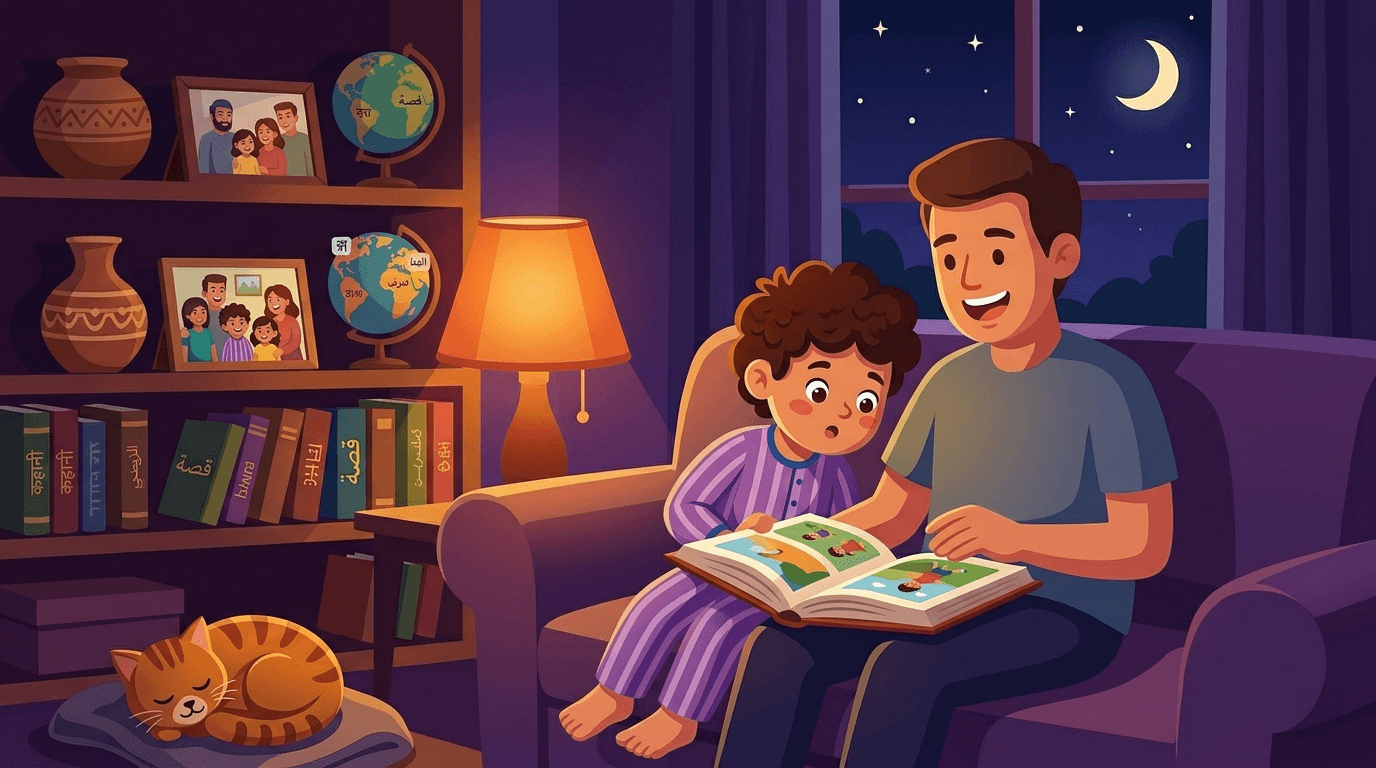
For multilingual families, screen addiction carries an extra cost that rarely gets named. Children consuming almost exclusively English content spend their peak language acquisition years in a language that isn’t their heritage. Across South Asian, Hispanic, Arabic, Chinese and other communities, parents observe the same pattern: children who can no longer speak to their grandparents. The window closes in childhood.
Exposure to Inappropriate Content
The algorithm doesn’t know your child is seven
YouTube’s recommendation algorithm repeatedly leads children from age-appropriate content toward extreme or inappropriate material through gradual steps. No filter is perfect. Parental presence is the only reliable safeguard.
Physical Health
The body that isn’t moving
Screen time occupies time that would otherwise be spent moving. Each additional hour correlates with lower physical activity, higher childhood obesity risk, greater myopia rates, and more frequent headaches.
None of this is inevitable. And none of it is your fault — as long as you're willing to look clearly at what's happening.
By Design
This is not an accident. These products were engineered this way.
The addictiveness is not a side effect — it is the product. Your child's attention is the commodity being sold.

Autoplay
Next video starts before the brain can disengage. Every autoplay removes a moment of choice.
Infinite Scroll
No end point. Bottomless by design. When there is no natural stopping point, there is no conscious moment to decide to leave. The session extends as far as the algorithm can take it.
Variable Reward
Unpredictable rewards are the most powerful mechanism for compulsive behaviour ever discovered. Applied to children.
Notification Engineering
Likes deliberately delayed then released in batches for stronger dopamine spikes. Confirmed intentional by former Meta employees.
Personalised Algorithms
Every pause, skip, rewatch teaches the algorithm your child’s vulnerabilities. It knows what holds their attention better than you do.
Social Pressure Mechanics
Streaks, follower counts, like tallies. Create anxiety about leaving. The cost of logging off is built into the product.
“We have a moral responsibility to acknowledge that we are complicit in a mental health crisis.”
Understanding this doesn't mean throwing every device away. It means making sure we — not the algorithm — decide how much of our children's childhood they get.
Practical Steps
You don't need to be perfect. You need to be intentional.
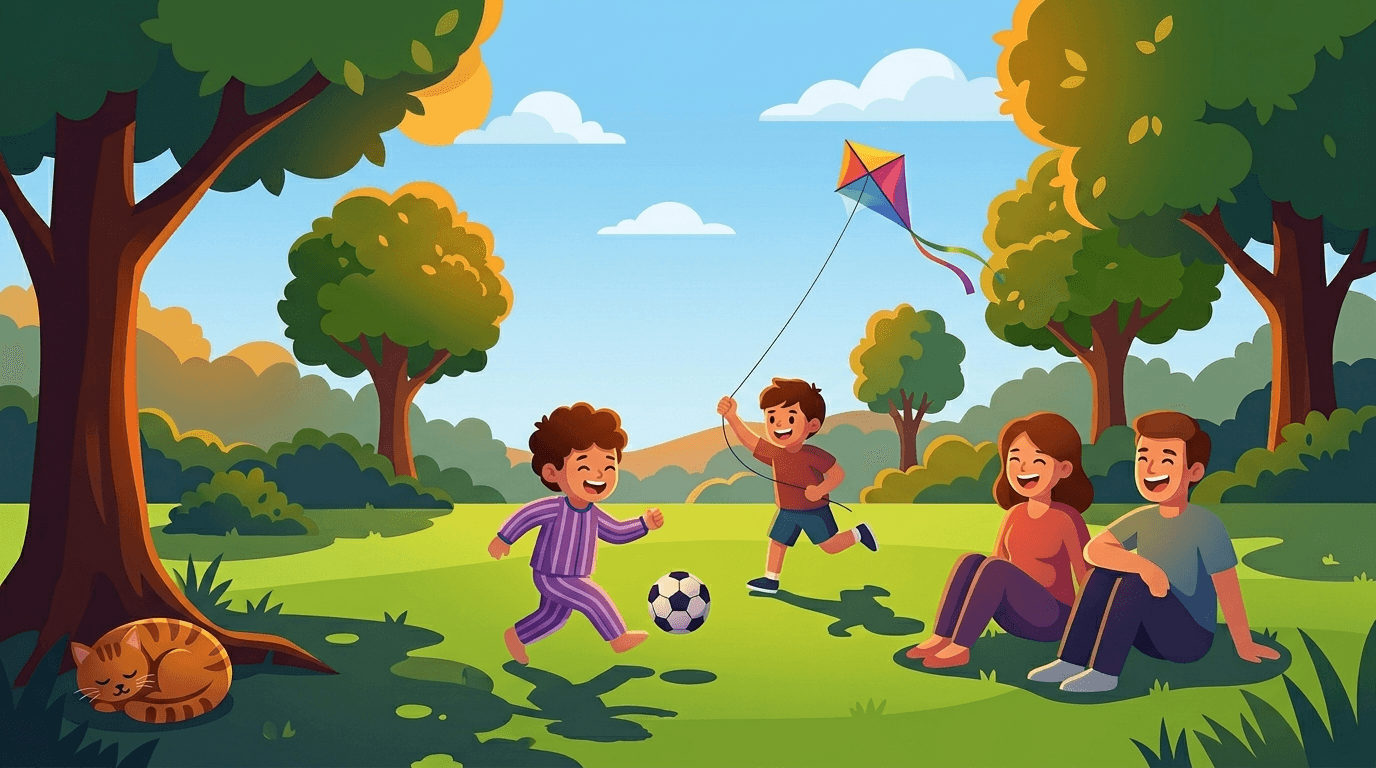
The goal is not elimination — it is balance, awareness, and making sure real life is more interesting than the phone.
Know the guidelines
WHO advises no screen time under 1, none recommended at 1, and at most an hour a day at ages 2–4. From age 5, the American Academy of Pediatrics asks for consistent limits.
Create screen-free zones
No screens at meals. No devices in bedrooms at night. A screen-free hour before bed — for everyone, including parents.
Replace, don’t just remove
A bored child will find the screen again. Have alternatives ready by age group. The replacement matters as much as the removal.
Talk about it
Explain that apps are designed to be hard to stop. Make your child a critical thinker about technology, not just a user of it.
Model what you want to see
Children learn through observation. Putting your own phone down matters more than any rule you set.
For multilingual families
Make the heritage language the home default. Watch some content in that language. Connect with elders. The window is open now — not forever.
There is no perfect version of this. Every family is different. What matters is that you're paying attention — and that's exactly what you're doing.
Get your personalised action plan →